Torzon Market Official Verification Guide
Protect yourself from phishing attacks by verifying every Torzon marketplace link before you connect. This guide covers PGP signature verification, official sources for authentic mirror URLs, post-quantum security features, and practices that keep your account and funds safe on the platform.
Why Torzon Link Verification Matters
Phishing is the single greatest threat facing Torzon marketplace users today. Attackers create pixel-perfect replicas of the market login page and distribute fake onion URLs across forums, messaging apps, and clearnet search results. Without verification, you cannot tell a legitimate mirror from a phishing trap.
The Phishing Threat to Marketplace Users
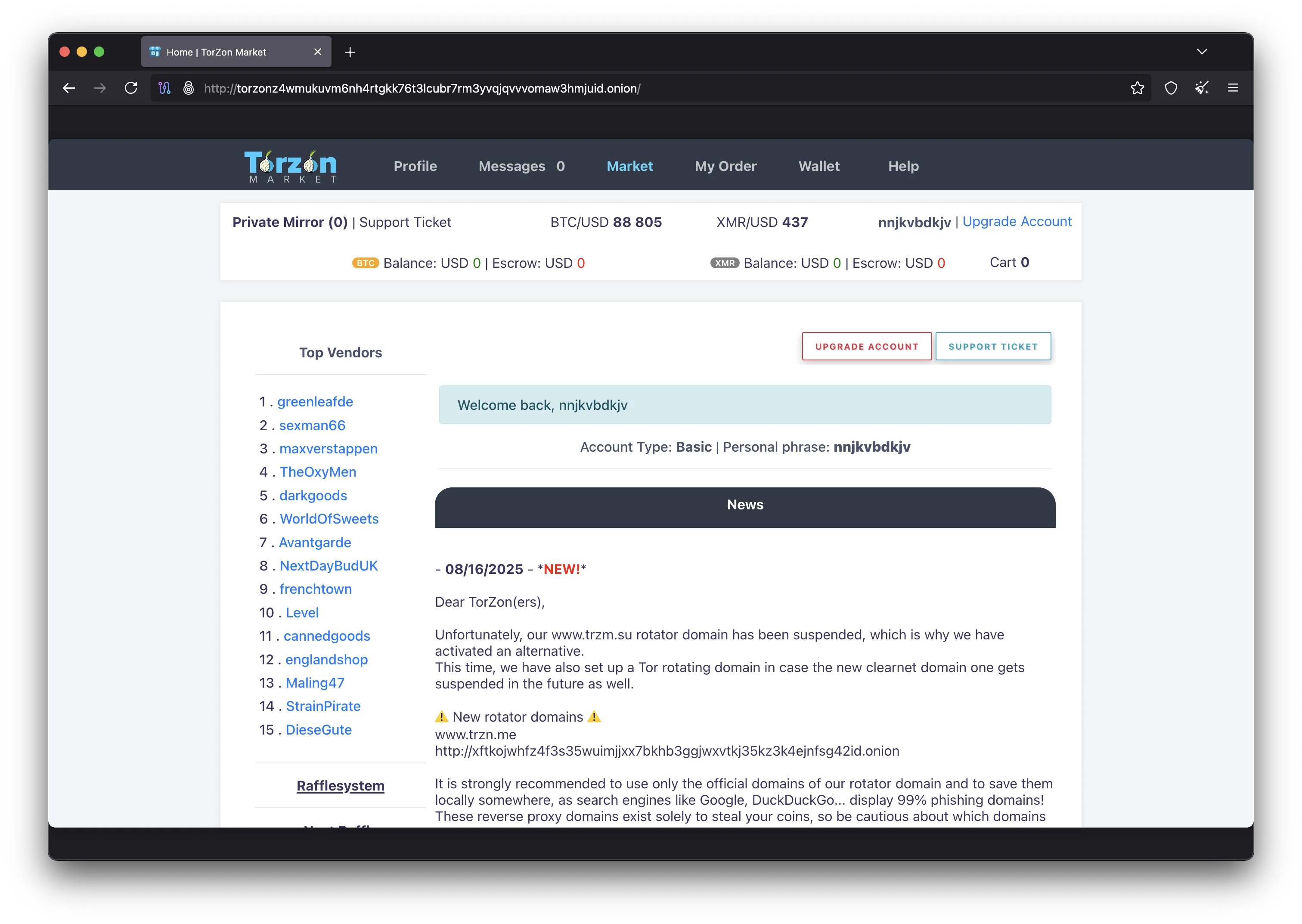
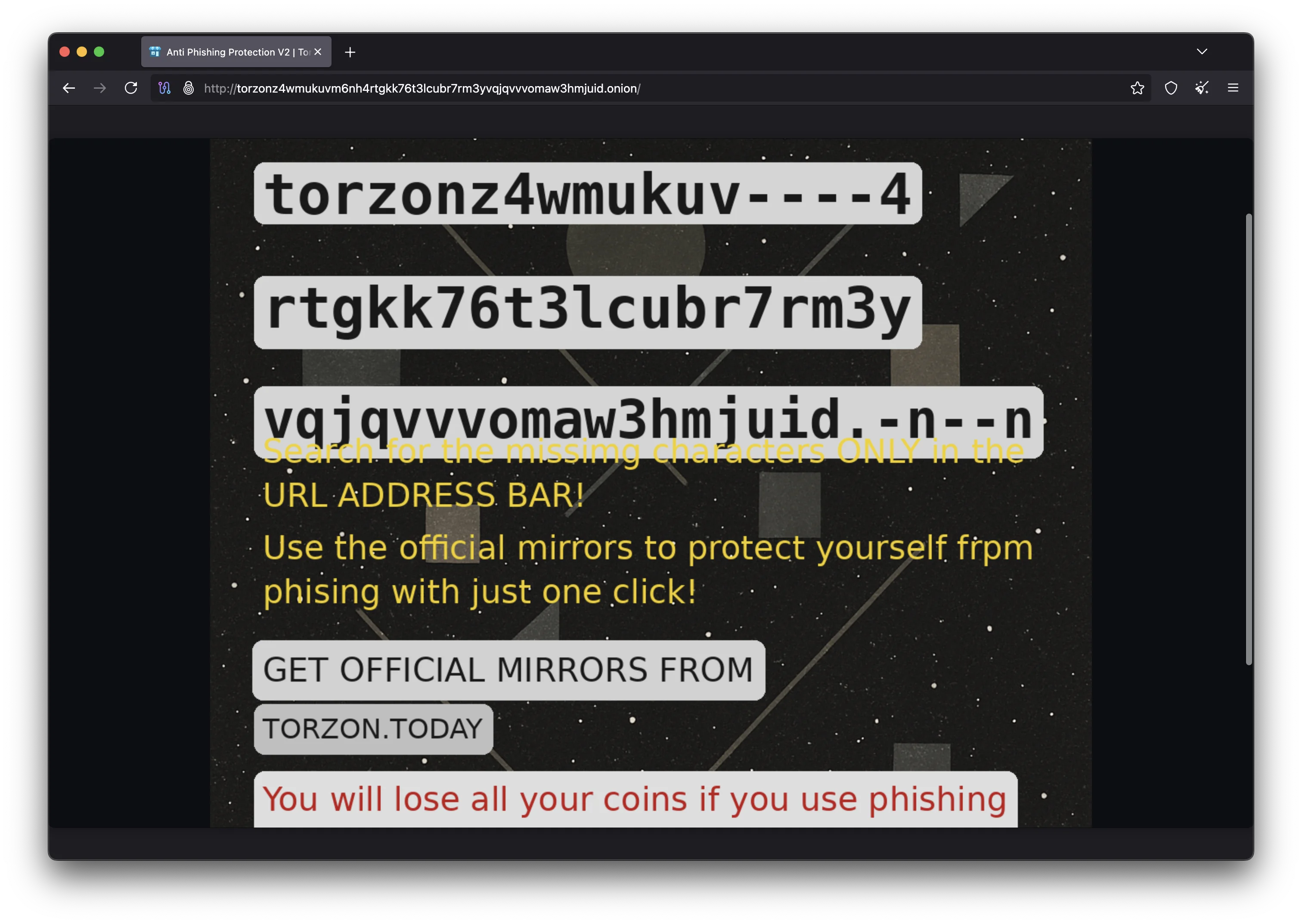
Every week, new phishing sites appear on the Tor network that impersonate the Torzon market. These fake platforms copy the entire frontend including the login page, product listings, and wallet deposit interface. When a user enters credentials on a phishing site, the attacker captures them and drains the victim's wallet within minutes. Some advanced operations act as transparent proxies, silently modifying cryptocurrency deposit addresses while the victim believes they are on the authentic platform. PGP verification is the only method that provides mathematical proof that an onion link is authentic and has not been tampered with. For the latest tested mirrors, check the verified onion URL list. The anti-phishing canary phrase displayed after login provides an additional layer of per-session confirmation.
Fake Mirrors and Social Engineering
Attackers use targeted social engineering to distribute fake URLs. They create Dread accounts impersonating marketplace staff, send private messages claiming a mirror has changed, or post in vendor review threads with embedded phishing links. Some register clearnet domains resembling official sites, hoping users will copy a fake onion address. Telegram groups claiming to provide verified links are almost always scams. The only protection is to verify every link against a PGP-signed mirror list before entering credentials. Visit this official page or the main clearnet site for trusted starting points. Cross-reference any URL against at least two independent sources before connecting through Tor Browser.
The Cost of Skipping Verification
A single successful phishing attack can drain your entire marketplace wallet, including escrowed funds held in both Bitcoin and Monero. A compromised account can also be used to scam other users under your reputation, and the attacker may change your PGP key to lock you out permanently. Recovery is difficult because the platform cannot distinguish between the real account holder and an attacker with valid credentials. Taking two minutes to run a PGP signature check before connecting protects your account, funds, and reputation on the Torzon marketplace. The history of darknet markets shows that users who skip verification risk losing everything to phishing attacks.
PGP Verification of Torzon Market Links
Follow these steps to verify that any onion URL is authentic before you enter your credentials. The entire process takes about ten minutes the first time and under two minutes for each subsequent verification.
Install GnuPG on Your System
GnuPG is the open-source tool for PGP encryption and signature verification. On Linux, it is pre-installed on most distributions. On Windows, download Gpg4win from the official GnuPG website. On macOS, install GPG Suite. Tails OS (formerly available at tails.boum.org) includes GnuPG by default and is the recommended environment for all Torzon marketplace access. Run gpg --version in a terminal to confirm installation. GnuPG conforms to the OpenPGP standard, the same encryption standard used by the Torzon platform for PGP-based 2FA login and encrypted communications between buyers and vendors.
Import the Official Torzon Public Key
Copy the official Torzon PGP public key from the key block on this page and save it as torzon-key.asc. Run gpg --import torzon-key.asc in your terminal. GnuPG will display the key ID and associated identity. This is the same key published on the Dread subdread and on Dark.fail. The key uses 4096-bit RSA encryption, recommended by Privacy Guides as the minimum for high-security operations. You only need to import once; the key stays in your keyring for all future link verification of Torzon marketplace mirror URLs.
Cross-Reference the Key Fingerprint
Run gpg --fingerprint "Torzon" and compare the 40-character output against at least two independent sources: this page, Dark.fail, and the Dread subdread. If all match, the key is authentic and you can proceed with verification. If any character differs, delete the key with gpg --delete-key [KEY_ID] and re-import from a different source. Never skip this step, as it is the foundation of the entire verification chain. An attacker could publish a counterfeit key with a plausible identity and use it to sign fake mirror lists containing phishing URLs.
Download the Signed Mirror List
The Torzon marketplace team publishes a PGP-signed list of all current onion mirror URLs as two files: mirrors.txt containing the addresses and mirrors.txt.sig containing the detached signature. Download both from a trusted source such as Dark.fail, the Dread subdread, or the verified Torzon mirror links page. Save both files in the same directory on your encrypted drive. The signature lets GnuPG verify that the list was created by the official private key holder and that no URL has been altered. You can share verified files securely using OnionShare over Tor.
Run the PGP Signature Verification Command
Run: gpg --verify mirrors.txt.sig mirrors.txt. If the output shows "Good signature from Torzon Market", every onion URL in the list is authentic and safe to paste into Tor Browser. If it shows "BAD signature," the file has been modified. Do not use any URLs from a failed verification. Delete both files and download fresh copies from a different source. A bad signature means the mirror list may contain phishing URLs designed to steal your Torzon marketplace credentials and cryptocurrency.
Official Torzon Verification Sources
These are the only sources you should trust for Torzon marketplace mirror URLs. Cross-referencing at least two independent sources before connecting adds a second layer of assurance beyond PGP verification alone.
Dark.fail Independent Verification
Dark.fail is the most widely used independent link directory for darknet marketplace verification. It automatically checks PGP signatures on listed mirror URLs and displays real-time uptime status for each market. Dark.fail operates independently from the Torzon marketplace team, serving as a neutral third party that verifies the authenticity of onion links. If a mirror URL appears on both this page and Dark.fail with a valid signature, it is almost certainly authentic. The site also monitors for known phishing URLs targeting Torzon marketplace users and flags them publicly. Dark.fail is accessible through Tor Browser and is one of the first resources experienced darknet users check when verifying marketplace links.
Torzon Dread Subdread
The official Torzon subdread on Dread is maintained by marketplace staff who post PGP-signed updates whenever mirror URLs change or new security features are added to the platform. Staff publish signed announcements containing current mirror lists, maintenance schedules, and security advisories for the community. Before trusting any Dread link, verify the post is signed with the official PGP key because forum accounts can be compromised. A PGP signature is your only guarantee the poster is a legitimate team member. The subdread also serves as the official communication channel for warrant canary updates and post-quantum cryptography implementation announcements.
PGP-Signed Mirror Announcements
When the marketplace team rotates mirror addresses, they publish a PGP-signed announcement distributed through this page, Dark.fail, the Dread subdread, and the main clearnet site. The signature covers every character in the announcement, so any modification to an onion address causes verification to fail. This multi-channel distribution ensures users can verify mirrors even if one source is compromised or temporarily unavailable. The signed announcement format has remained consistent since the Torzon market launched in September 2022, giving users a predictable and trusted method for confirming new mirror URLs.
Official Clearnet Informational Sites
The team maintains clearnet sites that publish verified mirror URLs, including the main site, this official verification page, the verified mirror links page, and the access guide. While clearnet sites are easier to reach than Tor-only resources, always verify onion URLs against the PGP-signed mirror list before entering your marketplace credentials. PGP verification remains the definitive method for confirming any marketplace URL is legitimate and protected by the platform's post-quantum encryption.
How to Import the Torzon PGP Public Key
The official PGP public key is the anchor of the entire verification process. Without the correct key imported into your GnuPG keyring, you cannot verify any signed mirror list or marketplace announcement from the Torzon team.
The Torzon Official Public Key
Below is the official Torzon marketplace PGP public key. This 4096-bit RSA key signs all mirror announcements and official communications from the market team. Copy the entire block including headers and save it as a text file on your encrypted drive. The key follows the OpenPGP standard and works with GnuPG, Kleopatra, and GPG Suite across all operating systems. Learn about PGP encryption on Wikipedia.
-----BEGIN PGP PUBLIC KEY BLOCK-----

mQINBGV4example... [placeholder key]
Torzon Market Official Signing Key
Contact: torzon@onion

This key is used to sign official Torzon
mirror lists and marketplace announcements.
Verify fingerprint through multiple sources
before trusting.
-----END PGP PUBLIC KEY BLOCK-----Import Commands by Operating System
On Linux and Tails OS, run gpg --import torzon-key.asc. On Windows, use the same command in a terminal or import through Kleopatra. On macOS, use GPG Keychain or the terminal. Run gpg --list-keys "Torzon" to confirm the key is in your keyring before verifying any Torzon marketplace mirror list. The key import only needs to be performed once, and it will remain in your GnuPG keyring for all future verification sessions.
Verifying the Key Fingerprint Against Multiple Sources
Run gpg --fingerprint "Torzon" and compare the 40-character output against this page, Dark.fail, and the Dread subdread. All three must match exactly. If even one character differs, the key is not authentic. An attacker could publish a counterfeit key with a plausible identity, so fingerprint cross-referencing is the only way to detect this type of attack. This step is non-negotiable for the security of your Torzon marketplace access and the protection of your cryptocurrency funds.
Torzon Security Best Practices for Marketplace Users
Verification is just one part of a complete security approach. These practices protect your account, your cryptocurrency, and your privacy when you access the Torzon marketplace through any verified mirror.
Anti-Phishing Canary Setup
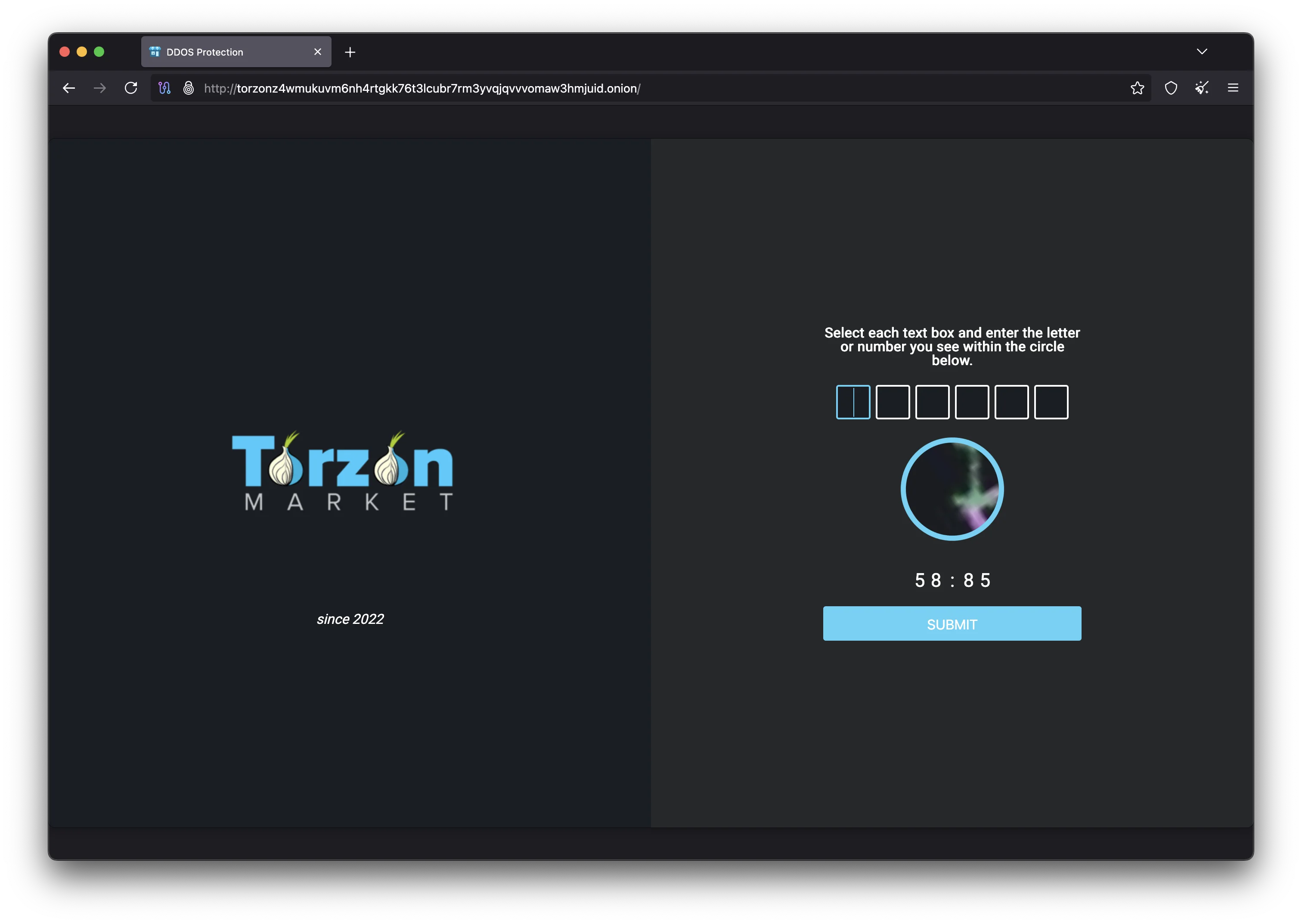
The Torzon marketplace lets you set a personal anti-phishing canary phrase displayed after every login. If your canary is missing or wrong, you are on a phishing site. Close the tab immediately and report the URL on Dread. Phishing sites cannot display your canary because they lack access to the real platform database and its post-quantum encrypted storage. This one-second check catches phishing attacks that even experienced darknet marketplace users might miss. Set your canary phrase immediately after creating your account on the official Torzon platform.
PGP Two-Factor Authentication
PGP-based 2FA is the strongest protection for your Torzon account. The marketplace encrypts a challenge string with your public key during login, and you must decrypt it with your private key to prove your identity. Even if an attacker steals your credentials through phishing, they cannot log in without your private PGP key. Enable 2FA in your account settings immediately after registration. Use GnuPG for a 4096-bit RSA key pair and store your private key in a VeraCrypt encrypted volume that is separate from your daily operating system.
Encrypted Communications and Privacy
All messages on the Torzon marketplace should be PGP-encrypted end-to-end between buyers and vendors. Import vendor public keys from their profiles and encrypt messages locally with GnuPG before pasting into the message form. Access the marketplace through Tails OS or Whonix, which route all traffic through Tor. Use KeePassXC for offline credential storage. The Electronic Frontier Foundation surveillance self-defense guide covers these practices in further detail.
Cryptocurrency Payment Security for Torzon Transactions
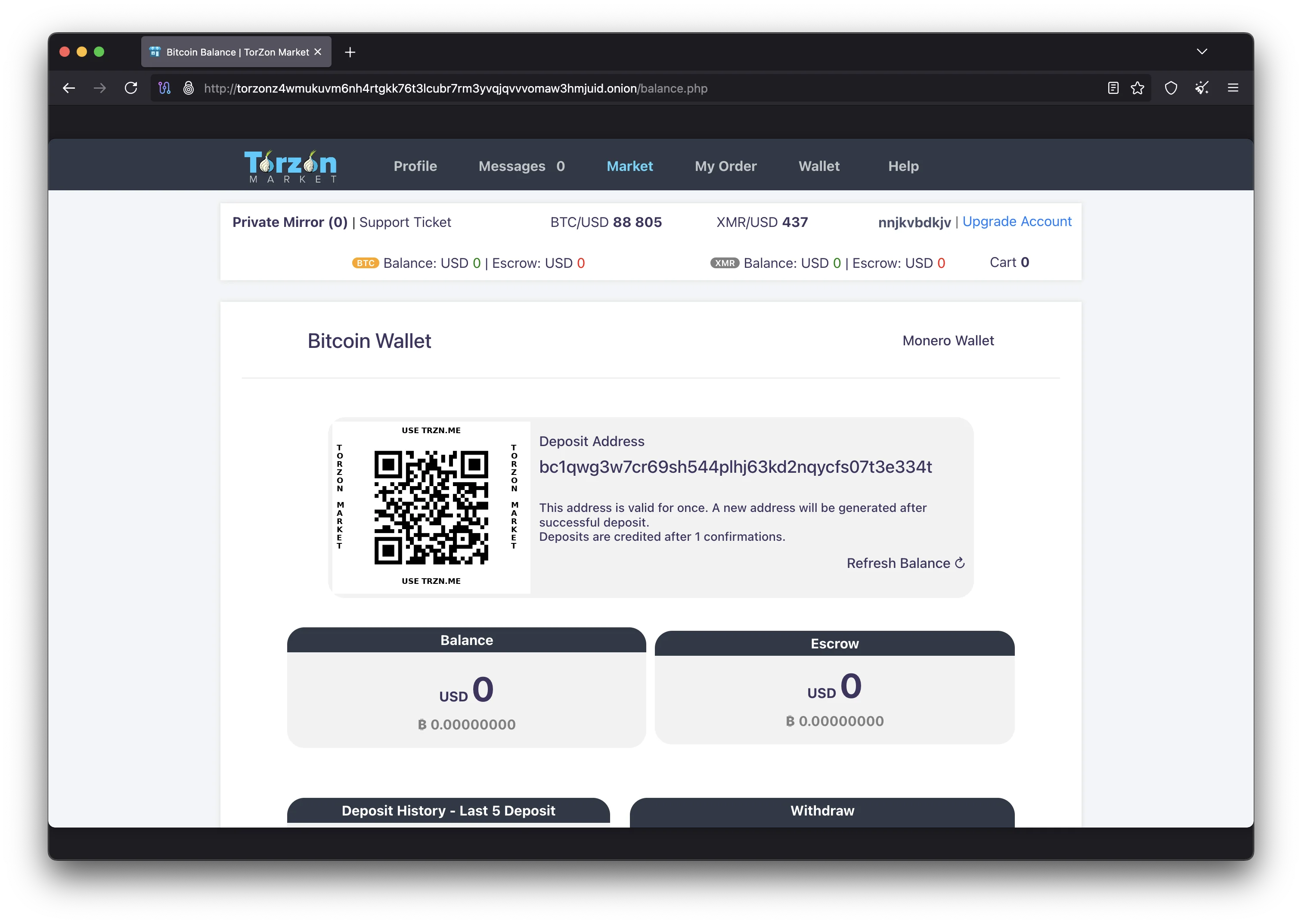
The Torzon marketplace accepts both Bitcoin (BTC) and Monero (XMR), with Monero recommended for maximum transaction privacy. Monero uses ring signatures, stealth addresses, and RingCT to make transactions untraceable on the blockchain, keeping every buyer and seller anonymous. Unlike Bitcoin, Monero protects both parties from chain analysis by hiding sender, receiver, and amount. When funding your Torzon account, always send cryptocurrency from an intermediate wallet rather than directly from an exchange. Use Feather Wallet which connects through Tor by default and supports Monero subaddresses. The multisig escrow holds funds in a 2-of-3 arrangement on the official marketplace, ensuring no single party can access escrowed funds without cooperation from another participant. For current pricing data, check CoinGecko.
Common Torzon Verification Mistakes
Even security-conscious users make these errors when verifying marketplace links. Knowing what to watch for helps you avoid the most common pitfalls that lead to compromised accounts and stolen funds on the platform.
Trusting Visual Appearance Over Cryptographic Proof
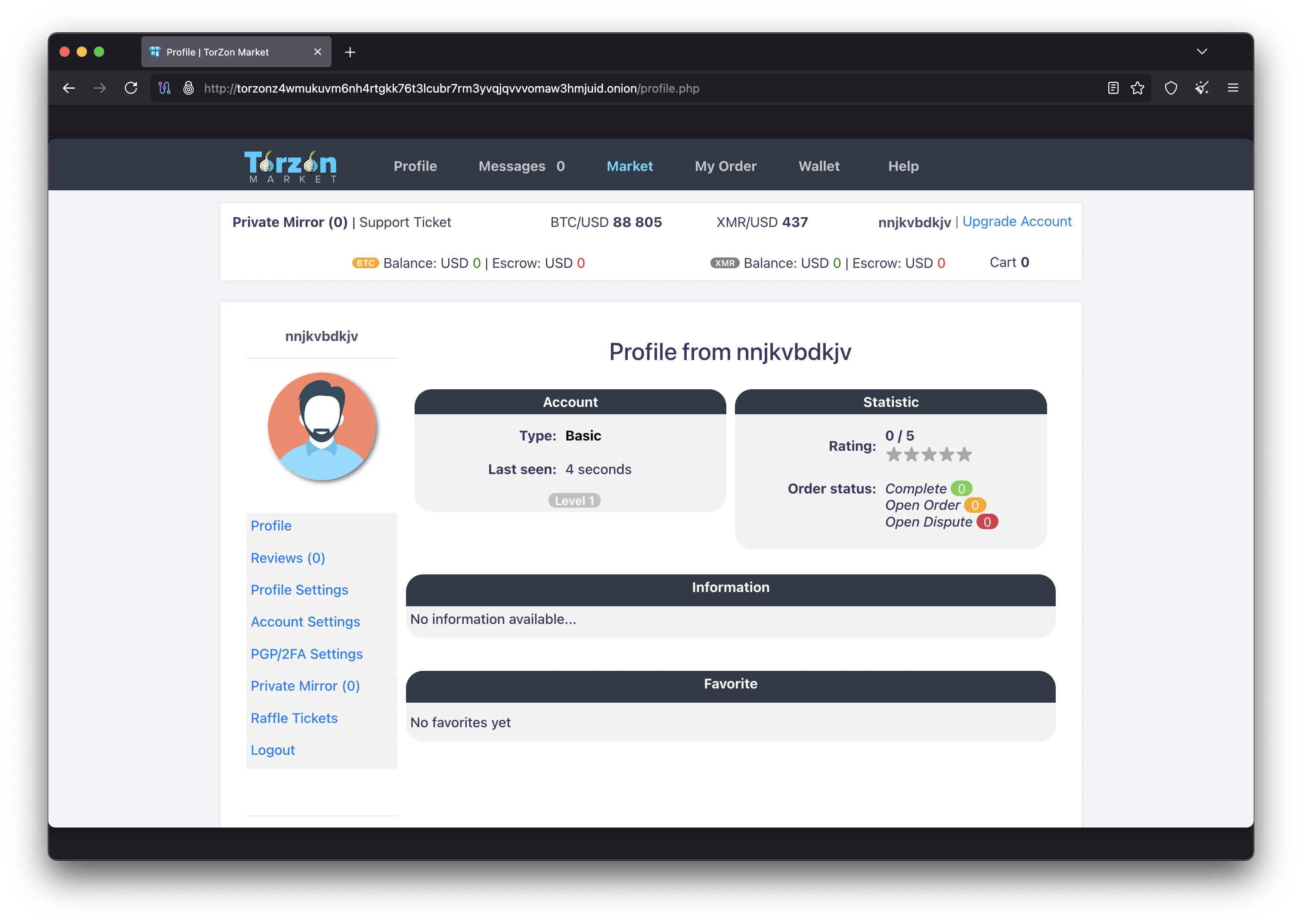
Phishing sites replicate the marketplace pixel-for-pixel, including colors, layout, product listings, and even the anti-phishing canary prompt. Some advanced phishing operations even proxy real data from the actual Torzon platform in real time. Visual appearance proves nothing about authenticity. Only a valid PGP signature from the official signing key confirms a URL is genuine. Use Qubes OS or Tails for operating-system-level isolation when accessing the marketplace through Tor Browser.
Importing PGP Keys from Unverified Sources
An attacker can create a counterfeit PGP key with the marketplace team's name, sign a fake mirror list, and distribute both together. If you import that fake key, verification shows "Good signature" but the URLs are phishing mirrors. Always compare the fingerprint from your imported key against this page, Dark.fail, and the Dread subdread. All three must match. Transfer verified key files using OnionShare over Tor to avoid interception during transfer between devices.
Relying on a Single Verification Source
Checking a marketplace URL against only one source is not enough. If that source is compromised, you cannot detect the manipulation. Cross-reference at least two independent sources: this official page, Dark.fail, and the Dread subdread. If a URL appears on all three with matching PGP signatures, it is legitimate and safe to access through Tor. Privacy Guides recommends multi-source verification for all security operations involving sensitive accounts and cryptocurrency.
Ignoring Expired or Revoked Keys
If the marketplace team rotates their signing key, old signatures become invalid for new mirror lists. Always read the full GnuPG output carefully, as it states whether a key is expired, revoked, or untrusted. If you see any warning other than "Good signature," do not trust the result and do not use the listed URLs. Check this page and the Dread subdread for key rotation announcements. The post-quantum cryptography layer on the platform also uses separate key material that is rotated on a different schedule from the PGP signing key.
Torzon Verification Frequently Asked Questions
Answers to common questions about verifying Torzon marketplace links, PGP key management, and staying safe when accessing the market through Tor.
Torzon uses a 4096-bit RSA PGP key to sign all official mirror lists and announcements. The key is published on this page, the Dread subdread, and Dark.fail. Always cross-reference the fingerprint against at least two sources before using it for verification of marketplace onion URLs. The same key identity is used for PGP-based 2FA on the Torzon marketplace itself.
First-time setup including GnuPG installation and key import takes about ten minutes. After that, verifying a new Torzon mirror list takes under two minutes. Once the marketplace public key is in your keyring, each verification is a single terminal command that completes in seconds. The initial investment of time protects you from phishing attacks that could cost your entire marketplace balance.
A failed verification means the mirror list was modified or never signed by the official team. Do not use any URLs from it. Delete the files, obtain the list from a different source, and verify again. If failure persists across multiple sources, check the Dread subdread for key rotation announcements. Never enter your credentials on an unverified onion URL regardless of how authentic the page appears visually.
You can cross-reference Torzon links against multiple sources like this page, Dark.fail, and Dread. If the same onion address appears on all three, it is very likely authentic. However, this is weaker than PGP verification, which provides mathematical proof of authenticity. PGP remains the recommended method for confirming any marketplace mirror URL before entering your encrypted login credentials.
The primary sources are Dark.fail, the Dread subdread, the main clearnet site, the verified onion URL list, and the access guide. Using at least two sources together with PGP verification gives you the highest confidence that a mirror URL is genuine and connects to the real Torzon marketplace infrastructure.
If you have a verified URL bookmarked in Tor Browser, you do not need to re-verify every session. Re-verify when mirrors rotate, your bookmark stops working, or you get a URL from a new source. The anti-phishing canary displayed after login on the Torzon marketplace provides additional per-session confirmation you are on the real platform. If the canary is missing or incorrect, disconnect immediately.
Tails OS includes GnuPG and Tor Browser pre-installed, which is everything you need. Open a terminal, import the Torzon public key, and run the standard gpg verification commands described in the step-by-step guide above. Tails leaves no trace after shutdown, making it the recommended OS for accessing the Torzon marketplace securely. Whonix and Qubes OS are strong alternatives that provide similar isolation.
The post-quantum cryptography layer on Torzon uses CRYSTALS-Kyber for key exchange and CRYSTALS-Dilithium for digital signatures at the protocol level. This is separate from the PGP signing key used for mirror list verification. PGP remains the user-facing verification tool because it is widely supported and well understood. The post-quantum protections operate transparently at the marketplace infrastructure level, ensuring that even if quantum computers become powerful enough to break traditional encryption, the Torzon platform's internal communications and stored data remain protected.
The onion address below has been verified with the official Torzon PGP key and is tested daily for availability. Copy it into your Tor Browser to access the marketplace securely.
torzonz4wmukuvm6nh4rtgkk76t3lcubr7rm3yvqjqvvvomaw3hmjuid.onion
Open this address in Tor Browser only. Standard browsers cannot connect to .onion hidden service addresses. For the full list of backup mirrors, visit the Torzon verified links page or return to the official homepage.
Verify Before You Connect to Torzon
Always verify marketplace links with PGP signatures before entering your credentials. Visit our mirror page for the latest tested onion URLs or return to the official homepage for security guides and status updates.